

Gingival Recession Correction with Palatal Graft: Procedure, Benefits, Costs, and Recovery
Gum recession is a common dental concern that can affect both your oral health and your smile’s appearance. At Tirana Dental Center, we use advanced techniques like gum grafting with tissue from the palate to restore healthy gums and protect your teeth. Below, we explain what gingival recession is, why treatment matters, how the procedure works, what to expect during recovery, and the typical gum graft costs.
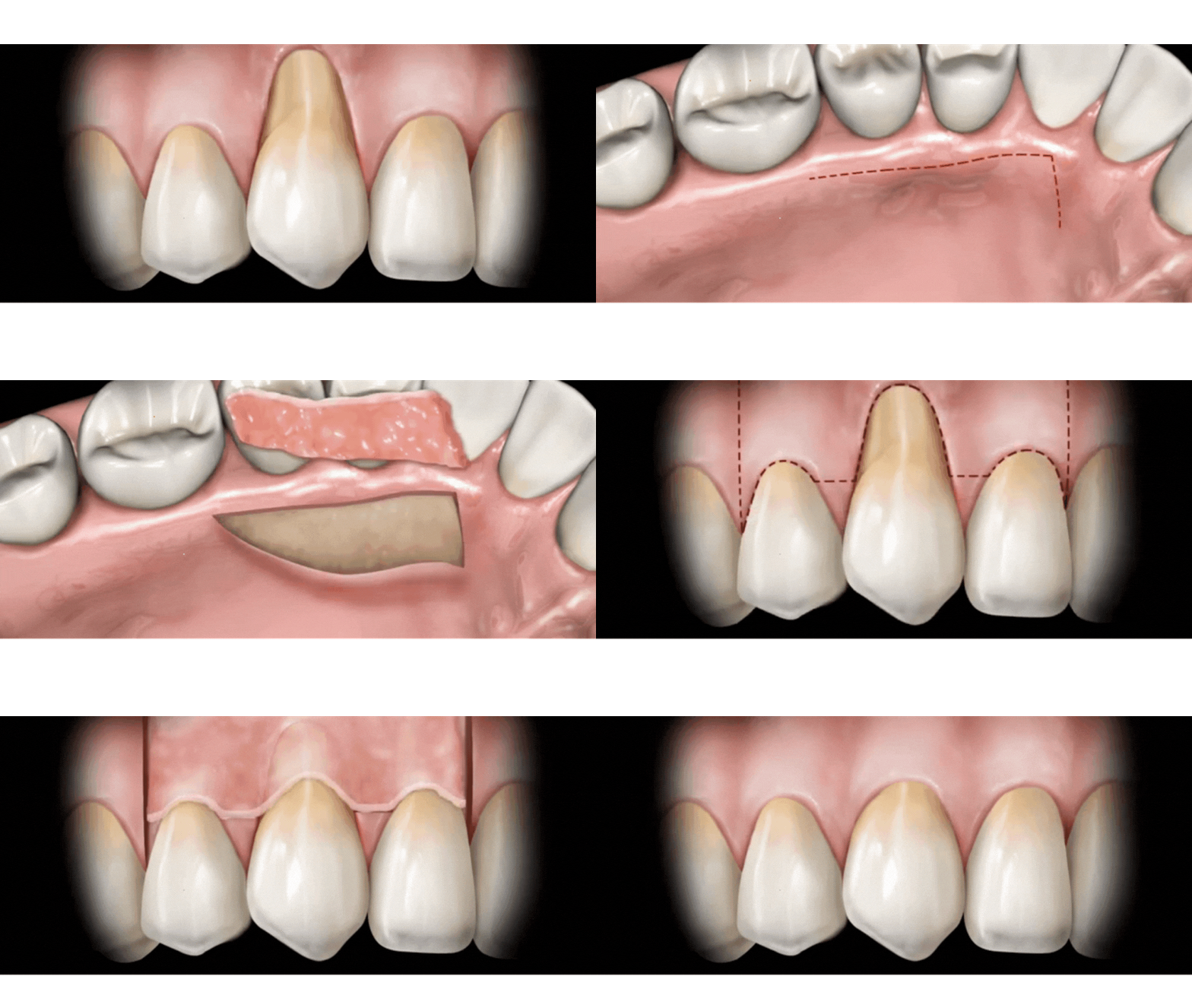
What Is Gingival Recession?
Gingival recession (receding gums) occurs when the gum tissue pulls away from the tooth, exposing the root surface. This can lead to:
• Tooth sensitivity
• Increased risk of root decay
• Cosmetic concerns
• Greater vulnerability to root damage
If you notice your gums receding or your teeth appearing longer, it’s important to seek professional advice. Early intervention can prevent further complications.
Why Correct Gingival Recession?
Treating gum recession is about more than just appearance. It helps to:
• Protect exposed roots from decay and abrasion
• Reduce tooth sensitivity
• Restore a natural gum line for a confident smile
• Improve periodontal health and make oral hygiene easier
Gum grafting surgery is a proven solution for receding gums, offering both functional and aesthetic benefits.
Types of Gum Grafts Using Palatal Tissue
The palate (roof of the mouth) is the most common source for gum grafts because it provides strong, durable tissue. There are two main types of palatal gum grafts:
1. Free Gingival Graft (FGG)
• A thin layer of tissue is taken from the palate and placed over the area of recession
• Mainly used to increase the width of keratinized (tough) gum tissue and prevent further recession
2. Subepithelial Connective Tissue Graft (SCTG)
• Connective tissue is gently harvested from beneath the surface of the palate
• This tissue is placed under a flap at the recession site, providing excellent root coverage and natural-looking results
Both methods are safe and effective, and your dentist will recommend the best approach for your specific needs.
How Is Gum Grafting Surgery Performed?
Here’s what you can expect during a gum graft procedure at Tirana Dental Center:
• Assessment and Planning: Your dentist will measure the recession, assess gum and palate thickness, and select the optimal donor site.
• Anesthesia: Local anesthesia ensures you are comfortable and pain-free throughout the procedure.
• Harvesting the Graft: A small piece of tissue is taken from the palate using either the FGG or SCTG technique.
• Preparing the Recipient Site: The exposed root is cleaned, and a small flap is created in the gum.
• Placement and Suturing: The graft is carefully positioned and stitched in place for optimal healing.
Our experienced team, led by Dr. Ardian Skendaj, uses gentle techniques and advanced technology to maximize comfort and results.
What Are the Advantages of Palatal Grafts?
Palatal gum grafts offer several important benefits:
• Abundant, high-quality tissue: The palate provides enough tissue for treating multiple sites, with excellent durability.
• High success rate: Especially with connective tissue grafts, patients achieve strong root coverage and improved gum thickness.
• Improved gum health: Increases the band of stable, attached gum tissue, reducing the risk of future recession.
• Natural, long-lasting results: Restores both function and appearance for a healthier, more confident smile.
Gum Graft Costs: What Should You Expect?
One of the most common questions is about gum graft cost. The price can vary depending on the number of teeth involved, the type of graft, and whether you need a full mouth gum graft or a single site. At Tirana Dental Center, we offer competitive pricing and transparent quotes.
• Average gum graft cost: Costs may range depending on your specific treatment plan.
• Gum graft cost per tooth: Single tooth gum grafts are usually more affordable than full mouth procedures.
• Insurance and payment options: We help you understand if your gum graft is covered by insurance and discuss all available options.
For a personalized quote, contact us or reach out via WhatsApp for a consultation.
Possible Complications and Risks
Gum grafting is a safe procedure, but as with any surgery, there are potential risks:
• Discomfort or bleeding at the donor site
• Postoperative pain (usually managed with medication)
• Graft failure or incomplete root coverage (rare)
• Infection (very rare)
Our team prioritizes your comfort and safety, using proven protocols to minimize complications.
Recovery After Gum Grafting: What to Expect
Proper care after gum graft surgery is essential for healing and a successful outcome. Here are some key post-op tips:
- Pain & Swelling: Take prescribed painkillers and use an ice pack on your cheek for the first day.
- Bleeding: Some bleeding from the palate is normal. Gently bite on gauze or a wet tea bag if needed.
- Oral Hygiene: Avoid brushing or flossing near the graft site for 10–14 days. Use the mouth rinse provided by your dentist.
- Diet: Stick to soft, cool or lukewarm foods. Avoid hot, spicy, crunchy, or chewy foods and do not chew on the graft side.
- Activity: Rest and avoid strenuous exercise, alcohol, and smoking for several days.
- Follow-up: Attend all scheduled check-ups. Stitches may be removed in 1–2 weeks.
If you experience heavy bleeding, fever, or severe pain, contact your dentist immediately.
Gum Grafting Before and After: Results You Can Trust
Patients often notice a dramatic improvement in both comfort and appearance after gum grafting. You may see gum graft before and after photos during your consultation to understand what to expect.
Book Your Consultation
If you are concerned about receding gums or want to know more about gum graft costs, book a consultation with Tirana Dental Center today. You can also contact Dr. Ardian Skendaj directly via WhatsApp for expert advice.