
What Are Cystic Lesions in the Jaw?
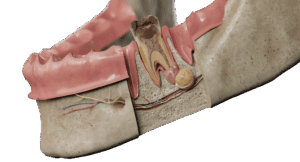
 Cystic lesions—such as dentigerous cysts, radicular cysts, and odontogenic keratocysts—are abnormal, often fluid-filled sacs that can develop within the jawbone or around teeth. These dental cysts may grow silently, gradually causing jawbone damage, tooth displacement, or even infection. Early detection and removal are essential to protect your oral health and preserve your smile.
Common types of jaw cysts include:
- Dentigerous cysts (often around unerupted teeth)
- Radicular cysts (associated with tooth roots)
- Odontogenic keratocysts (can be aggressive and recur)
- Periodontal cysts and other odontogenic cysts
Why Is Cystic Lesion Removal Important?
- Prevents bone damage: Untreated cysts can erode the jawbone, weakening its structure and risking future tooth loss or jaw fracture.
- Protects nearby teeth: Expanding cysts may push teeth out of position or cause root resorption.
- Reduces risk of infection: Infected cysts can lead to painful abscesses, swelling, and fever.
- Stops silent growth: Many dental cysts grow without symptoms and are only found on dental X-rays or CBCT scans.
- Preserves facial structure: Large cysts can alter the shape of your jaw or face.
- Prepares for dental implants: Removal ensures a healthy foundation for future restorations.
- Confirms diagnosis: Removed tissue is examined to rule out more serious conditions, such as tumors.
Symptoms of Jaw Cysts
 Jaw cysts often develop silently, but you should contact a dental professional if you notice:
- Painless swelling or a lump in the jaw or gums
- Loose or displaced teeth
- Delayed eruption of teeth in children
- Pain, pus drainage, or a persistent bad taste (signs of infection)
- Facial swelling or asymmetry
- Difficulty chewing or opening your mouth
- Numbness or tingling in the lip, chin, or tongue
- Cysts discovered incidentally on dental X-rays
If you’re experiencing any of these symptoms, or if your dentist has identified a cystic lesion, early evaluation is key. Contact Tirana Dental Center or reach us via WhatsApp for expert assessment.
Preparing for Cyst Removal Surgery
Before your procedure, your oral surgeon will:
- Review your medical history, including allergies and current medications (especially blood thinners)
- Take detailed imaging (CBCT scan or X-ray) to assess the cyst’s size and location
- Discuss the risks, benefits, and alternatives to surgery
- Advise on fasting if general anesthesia is planned (no food for 6–8 hours)
- Recommend quitting smoking, as it delays healing
Our team, led by Dr. Ardian Skendaj, will ensure you feel informed and comfortable at every step.
Surgical Techniques for Jaw Cyst Removal
- Enucleation: The entire cyst and its lining are removed. This is the most common method for accessible cysts with low recurrence risk.
- Marsupialization: A window is created in the cyst, allowing it to drain and shrink over time. Often followed by enucleation.
- Enucleation with Curettage: After removing the cyst, surrounding tissue is gently scraped to reduce the risk of recurrence.
- Enucleation with Bone Grafting: Used when large cysts leave significant bone defects, bone grafting helps restore jaw strength and shape.
What to Expect During Surgery
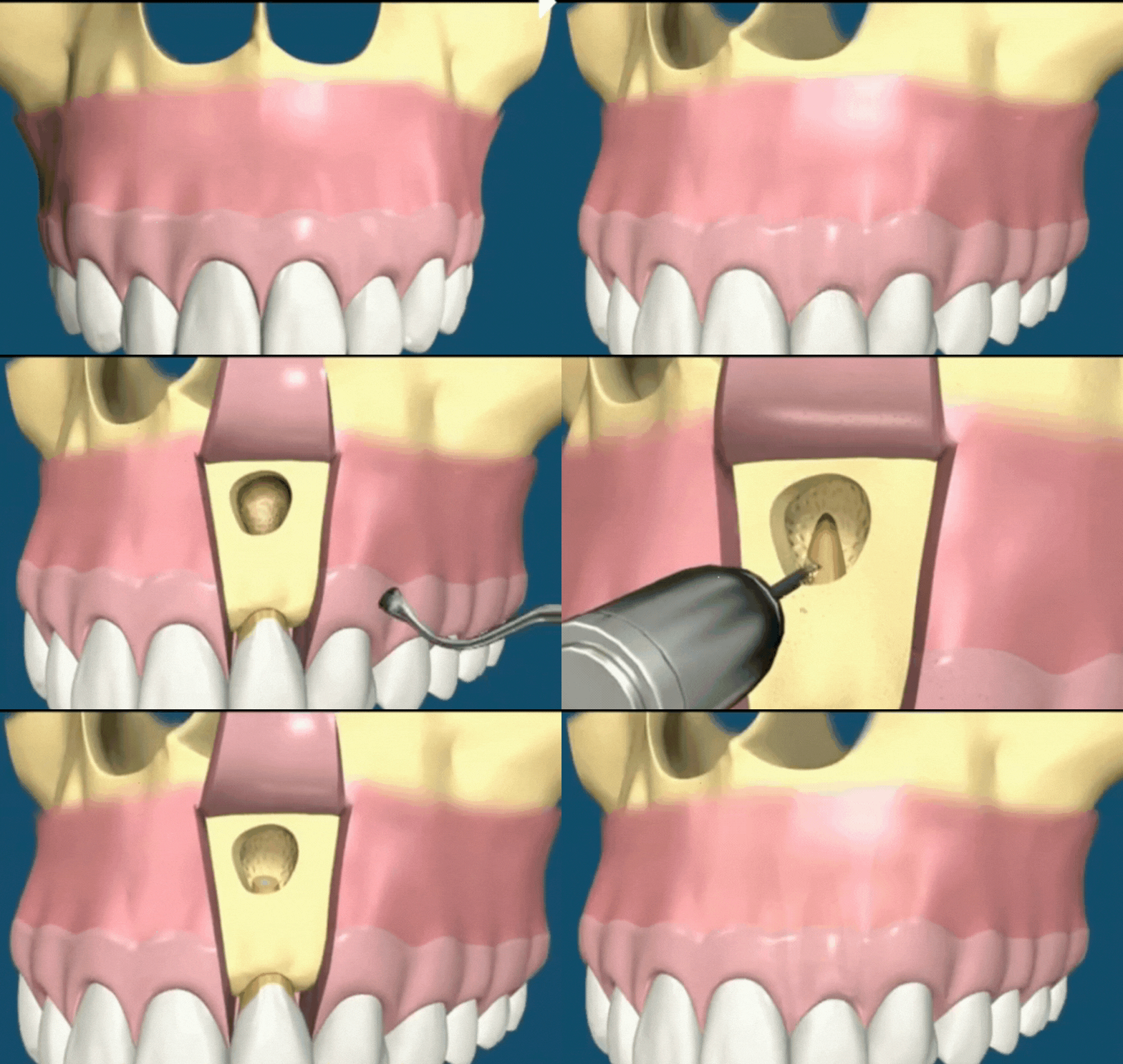
- Administration of local or general anesthesia
- Gentle lifting of the gum to access the jawbone
- Creation of a small bone window to reach the cyst
- Careful removal of the cyst (enucleation) or opening (marsupialization)
- Cleaning and irrigation to prevent infection
- Suturing of tissues; sometimes a drain is placed
- Follow-up appointments to monitor healing and prevent recurrence
Recovery After Jaw Cyst Surgery
- First 1–3 days: Expect mild swelling, discomfort, and minor bleeding. These can be managed with prescribed painkillers, cold compresses, and rest.
- After 1 week: Most patients return to work or school.
- 10–14 days: Non-resorbable stitches are removed during a follow-up visit.
- 3–6 months: The bone gradually heals. Follow-up X-rays may be recommended.
Risks and Complications
- Infection (rare with good oral hygiene and medication)
- Temporary numbness or tingling, especially if nerves are near the cyst
- Sinus issues (for upper jaw cysts)
- Recurrence of the cyst (regular check-ups help detect this early)
- Jawbone weakening (especially with large cysts)
Postoperative Care Tips
| Do | Avoid |
|---|---|
| Apply ice packs for the first 24–48 hours | Smoking or alcohol |
| Eat soft foods | Chewing on the surgical side |
| Keep your head elevated | Vigorous rinsing or spitting |
| Take prescribed medications | Heavy exercise for 2–3 days |
| Rinse gently with saline or chlorhexidine after 24 hours | Blowing your nose (for upper jaw cysts) |
Frequently Asked Questions
What is a dental cyst?
A dental cyst is a fluid-filled sac that can form in the jawbone or around teeth.
Are dental cysts dangerous?
Most are benign, but they can cause significant damage if left untreated.
How much does dental cyst removal cost?
Costs vary depending on the complexity of the procedure. Contact us or reach out via WhatsApp for a personalized estimate.
Can cysts come back?
Some types, like odontogenic keratocysts, have a higher recurrence rate. Regular dental check-ups are important.
Is the surgery painful?
The procedure is performed under anesthesia, so you won’t feel pain during surgery. Discomfort afterward is usually mild and manageable.
Book Your Consultation
If you suspect you may have a jaw cyst or have been advised to seek treatment, don’t wait. At Tirana Dental Center, we combine advanced technology with a compassionate approach to ensure your experience is as comfortable and effective as possible.
Contact us today or WhatsApp Dr. Ardian Skendaj for a consultation.